
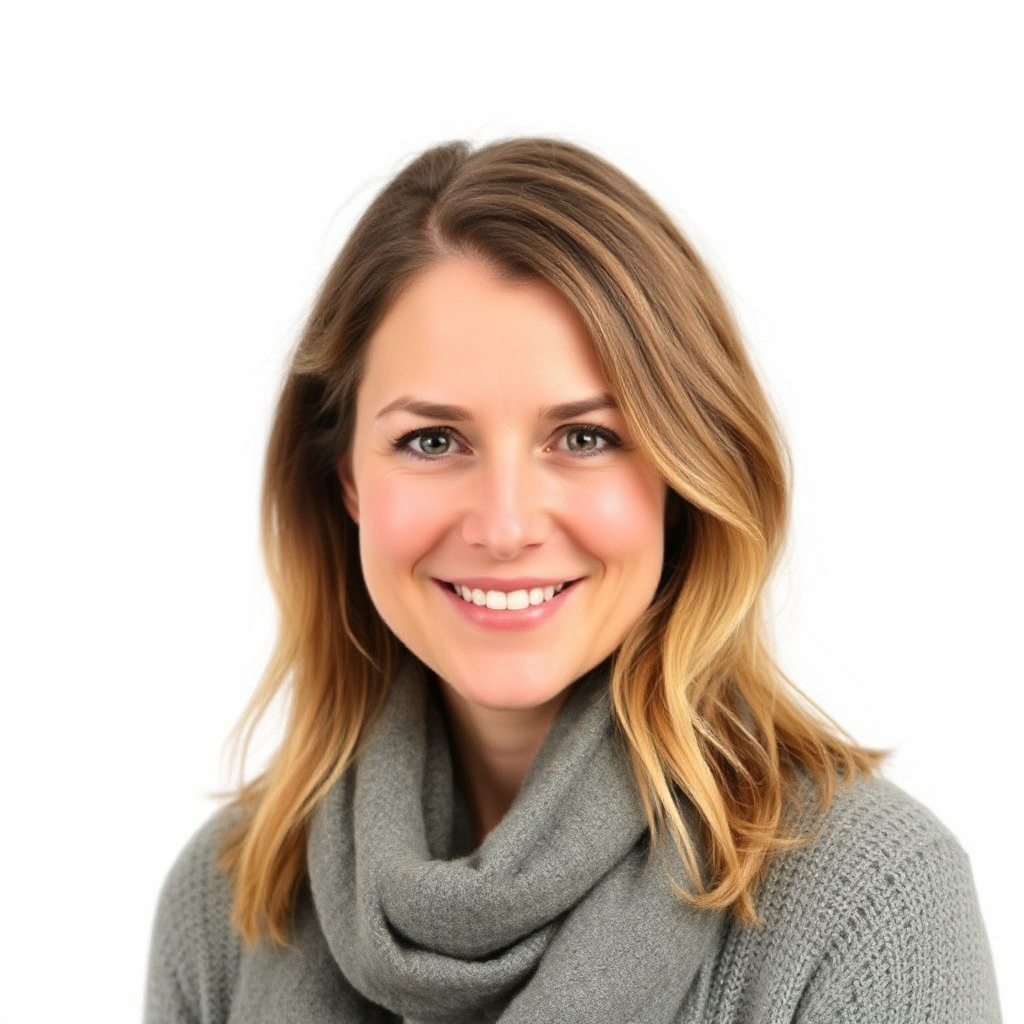
A poignant conversation between Andrew and his wife Zoë, occurring shortly before her sudden death, is one he returns to often. During a car journey to see a friend, the 38-year-old mum told her husband she felt she "had everything she ever wanted in life".
Now, six months after losing his "kind, caring, clever and beautiful" partner to sudden adult death syndrome, he finds solace in remembering that "heart-to-heart in the car".
As a 42-year-old mechanical engineer, Andrew recalls they were simply caught up in the flow of "living their lives" side by side.
In the family house, filled with memories, playthings, and feline companions, he believes we rarely tell our dear ones how much they truly mean. "It's easy to assume their presence," he reflects. "You can reach out and hold them. But verbally expressing your gratitude or admiration happens far too seldom."
Facing the Festive Season Alone
Approaching the festive period without his spouse, Andrew believes this highlights a wider cultural reluctance to talk about mortality and face nightmares. Countless people feel unsure of the right words or actions to comfort someone bereaved of their husband or wife.
He confesses he used to be "awful in these circumstances - typically the one who would shy away".
No symptoms suggested Zoë, a successful lawyer, was unwell before the unexpected heart failure that claimed her life.
{Having endured such a traumatic loss, Andrew has contemplated what truly helps. "Just acknowledging the pain, the grief... being there for them is enough," he advises. "Take initiative instead of posing questions," he urges. "When you're in pain, you rarely know what you require from others."
{He gives examples like bringing food without being asked. "The act itself is what counts – you've offered practical support without requiring a response."
The Overwhelming Responsibility of Solo Parenthood
{If a bereaved person doesn't respond immediately, he says not to be surprised. During the first phase, communications were non-stop. "Whoever I read last at bedtime bore the brunt of my sorrowful reflections."
He finds that books dealing with parental bereavement deliver an invaluable look into the difficult world of supporting young children without a partner.
His overwhelming burden and sorrow are clear when talking about his cherished children, four-year-old Joey and toddler Tommy.
{"I'm not just their dad anymore - I'm their parent," Andrew explains. "The nature of my duties has been irrevocably altered." "I truly enjoyed my former fatherly identity. Now, I must evolve into a different kind of caregiver, incorporating her responsibilities."
Navigating the 'Firsts' Without Her
Widows and widowers commonly reference the acute pain associated with navigating inaugural celebrations without their loved one.
Andrew had expected to celebrate Zoë's 39th birthday on December 23rd, followed by a chaotic, joyful Christmas with family.
The couple met by chance in September 2014 after independently booking the same cycling tour through Southeast Asia. His initial reaction was one of awe: "She truly was extraordinary!"
"The beauty of a cycling holiday," he adds, "is that you look ahead, you talk, and we just connected."
Certain of their future, he promptly moved from Abu Dhabi to Manchester, a city unfamiliar to him, for their relationship. {"It's what you dream of," he says. "You hope for a partner who comprehends you, has faith in you, and offers complete love and acceptance."
Following cohabitation, they wed in spring 2017, living what he describes as "an ideal existence". Post difficulties with natural conception and IVF, they welcomed their first boy in 2021 and their second little brother two years later.
An Obligation Without Alternative
Andrew notes that much of his festive period will involve practical parenting tasks like potty-training his younger son.
{He reflects on the common but sometimes unhelpful advice to "be strong". {"You do have a choice but you don't have a choice," he states. "Theoretically, options exist, but practically, they do not," he says. "My duty to her is to provide unwavering support for our children."
"I strive to cushion the blow of her passing, enabling them to develop into their full potential. {This is a struggle," he admits, "as successful parenting might obscure her role, yet poor parenting would dishonour her memory."
Living Without an Emotional Anchor
Having returned to work two months after becoming a widower, Andrew now fully grasps his former "male privilege" and everything his "amazing mother" of a wife did. {Time, he says, is now his most precious and scarce resource. "That foundational support system is simply gone," he notes.
{Using a football analogy, the avid runner says: "It's like playing a man down in a match; you must compensate with greater effort. If our sons are to experience joy, I must also rediscover how to live."
She was, he says, his "source of wholeness and security - her absence leaves me incomplete. The magnitude of that love explains the intensity of the hurt."
{The Christmas season accentuates this pain, especially when seeing couples hand-in-hand while shopping. {"I'm trying to wrap presents - I hate wrapping presents," he shares, a task that always fell to Zoë while he distracted the children. "Now, I haven't got 'me' to distract the kids."
{Juggling childcare, work, and grief leaves little room for processing emotions. {"The bit I struggle with is time. You don't have space or time to grieve," he confesses. "I am scared of time on my own because that is time with Zoë in my thoughts. I carry her with me, yet that mental companionship underscores the tangible loss."
{When asked what Zoë would want for him now, he eventually replies: "In a tragic sense, her life has ended. For me to cease living would be a waste. Her wish would be for me to embrace life fully."
The greatest homage he can pay is to ensure their children's lives are filled with love and to courageously pursue moments of contentment.


